Volunteering is often seen as something you can do to help others, but it can also bring many benefits to your own life. From improving your health to giving you a stronger sense of purpose, volunteering can make a big difference in how you feel. Research shows that people who volunteer regularly tend to be healthier, happier, and more connected to their communities. Giving back is not just a kind act, but a powerful way to improve your own well-being.
The Connection Between Volunteering and Living Longer
A study from American Journal of Preventive Medicine found adults over 50 who volunteered over 100 hours per year had a lower chance of death in a four-year follow-up period compared to non-volunteers. Although it is unknown exactly why volunteering can lead to a longer life, many researchers believe it is due to the number of health benefits that can come from being an active volunteer. Jeffrey Burr, a professor of gerontology at UMass Boston, said, "We're convinced that volunteering does have positive ramifications for well-being. Compared to non-volunteers, volunteers have less depression, less anxiety, higher self-esteem, higher life satisfaction, greater happiness, and greater sense of meaning in life."
Reducing Stress and Increasing Happiness
One of the biggest benefits of volunteering is the positive impact it can have on mental health. Helping others can lower stress and boost happiness. A Journal of the American Medical Association study found that adults who volunteer regularly are less likely to feel depressed and more likely to feel satisfied in life.
Volunteering also creates a sense of belonging and connection. This is especially important for older adults because of the negative effects social isolation has on health outcomes. When people volunteer, their bodies release dopamine and endorphins, otherwise known as “feel-good” chemicals. These chemicals improve mood, reduce pain, and can make people feel calm and happy. Lower stress levels, in turn, reduce the risk of health problems like heart disease, depression, and anxiety.
Staying Active and Engaged
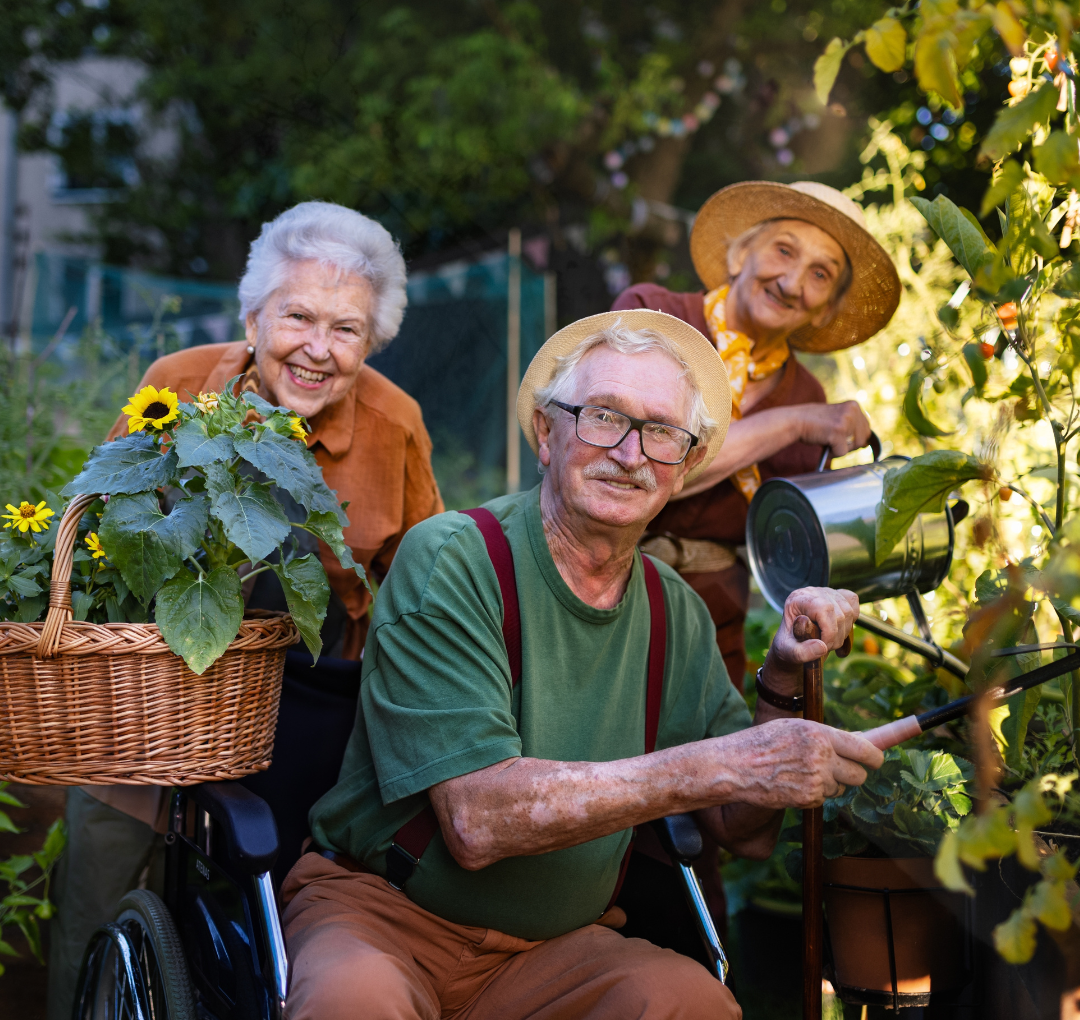
Many volunteer activities involve physical movement. Whether it’s working an event as a JABA Ambassador, running an activity at a community center, helping at a food pantry, or getting involved in a community garden, volunteering keeps people moving. This physical activity can help improve heart health, muscle strength, and flexibility.
Staying active is important in every stage of life. Regular movement helps maintain balance and energy, which supports long-term health. Volunteering can also provide a natural and enjoyable way to stay physically active without it feeling like a chore.
Building Social Connections
Humans are social beings, and strong relationships with others are essential for maintaining good health, emotionally and physically. Volunteering provides opportunities to meet new people of a variety of backgrounds and ages. Working on a shared activity is one of the best ways to create and maintain relationships with others.
These relationships become a support network of people who care about and want to help each other, even outside of their volunteer roles. Having supportive relationships has been linked to lower stress levels, better mental health, and a longer life.
Keeping Your Mind Sharp
Volunteering does not just benefit your body, but your brain as well. Volunteering often comes with opportunities to learn new skills, problem-solve, and work with different groups of people. These mental challenges keep the brain active and engaged. Mental stimulation is a key factor in healthy aging and has been linked to a lower risk of memory loss, cognitive decline, and dementia. By continuing to learn and think in new ways, volunteers support healthy brain aging as they get older.
Developing Purpose and New Skills
Many people struggle to find meaning in life. Volunteering can provide a strong sense of purpose and belonging. Knowing your actions matter and are helping someone else can make daily living more meaningful. This sense of purpose leads to higher self-esteem and satisfaction in life.
Additionally, volunteering also helps people gain new soft skills like teamwork, leadership, and communication. Some volunteer positions, like JABA’s Insurance Counseling volunteers, also involve training and learning new technical skills and knowledge. Many volunteers discover interests they would have never known they had.
Getting Started Volunteering
If you are inspired to start volunteering and reap the health benefits, consider these tips:
· Choose a cause you care about so the work feels meaningful
· Start small to avoid getting overwhelmed
· Explore different roles to find what works best for you
· Stay engaged by volunteering regularly
· Prioritize balance to not burn yourself out.
JABA has volunteer opportunities for people of all backgrounds and interests. 95% of JABA volunteers valued their contribution and the connections they made. Call 434-817-5289 for more information or complete a volunteer application to get started.
Volunteering helps others and yourself. It improves physical and mental health, builds strong relationships, and gives life purpose. All of these combined can lead to a longer, healthier life. By giving your time, energy, and skills to others, you are giving back to yourself as well.
Ty Mynes is a Communications Specialist and writer at JABA.