Enjoy insightful articles about aging and caregiving, information about JABA’s latest promotions and events, important messages, news about JABA, and more.
Sign-up here for JABA’s bi-monthly email newsletter to get the latest news right in your inbox!
Share your opinion! Let us know what future topics may interest you with this short survey.
In today’s world, people of different ages often live, work, and spend time separately. Because of this, intentional relationships between generations are more important than ever. In the past, it was common for several generations of a family to live in the same home. Grandparents often helped care for children and manage the household while parents worked. These homes created natural opportunities for people of different generations to learn from and support one another. Today, most families live in smaller households apart from one another. As a result, many people miss out on the valuable connections that were once built into home life.
Most Americans hope that retirement will bring a transition into greater financial freedom and more time spent pursuing personal goals and hobbies. For parents acting as caregivers for adult children with disabilities, however, retirement often brings a different reality. Many of these adults find themselves continuing or increasing the care they provide while also facing the financial and physical challenges of aging themselves.
Older LGBTQIA+ adults often face challenges when trying to get health care or long-term support. Many of these problems come from a lifetime of discrimination, being ignored by the medical system, and not having the same support systems that non-LGBTQIA+ people have. These issues continue to compound and grow as people age.
For the first time in history, there are more people over the age of 65 than people under the age of five. With this new trend in aging, a growing number of adults find themselves between caring for their aging parents and their own children. This group is commonly referred to as the “sandwich generation.” These adults play a balancing act of giving care to two generations at once, with limited time and money to do so.
Volunteering is often seen as something you can do to help others, but it can also bring many benefits to your own life. From improving your health to giving you a stronger sense of purpose, volunteering can make a big difference in how you feel. Research shows that people who volunteer regularly tend to be healthier, happier, and more connected to their communities. Giving back is not just a kind act, but a powerful way to improve your own well-being.
Women have always been at the heart of caregiving, community-building, and advocacy. However, their leadership in the field of aging has often gone unrecognized. This Women’s History Month, we honor the leaders, researchers, policymakers, and activists who are changing how our society understands and supports older adults. From pushing for national policy changes to improving research on aging, women continue to make a big difference around the world.
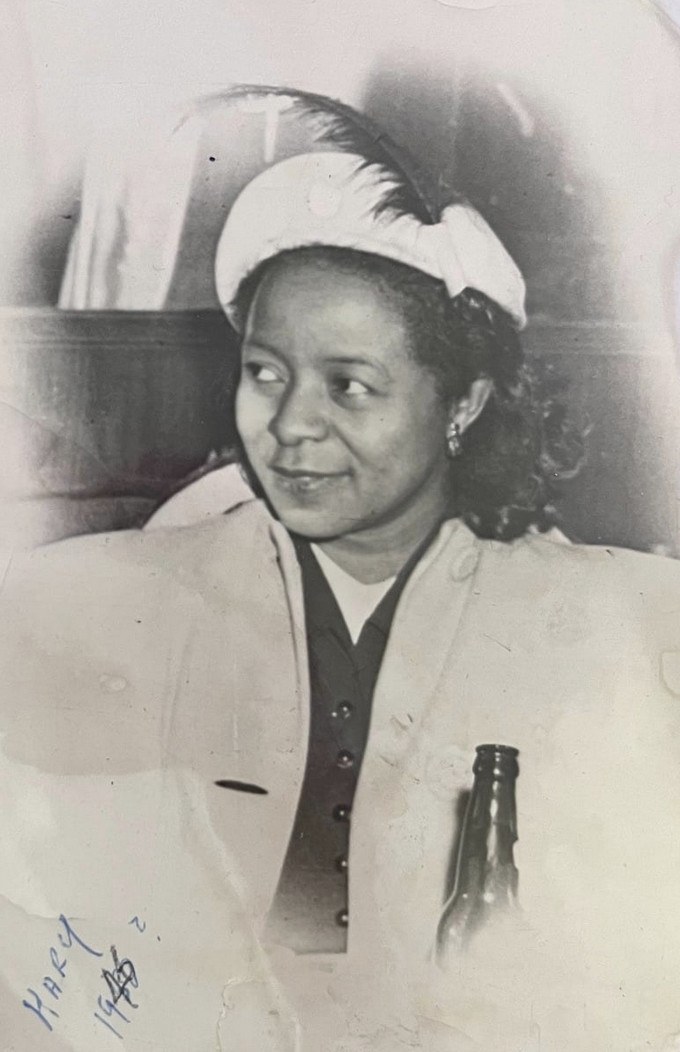
Every Black History Month, we take time to reflect on the people and stories that helped shape who we are today. For us, that includes honoring two remarkable women whose names were given to our Community Centers in Charlottesville and Nelson County. Their lives remind us how local Black history continues to guide and inspire our work.
February 17th is Random Acts of Kindness Day. It is a day to celebrate exactly what the name suggests, doing random acts of kindness for others. But did you know kindness is more than something that makes others feel good? Research suggests that having compassion and showing kindness to others can greatly benefit your own health outcomes.
It’s the time of the year when many of us set New Year's goals. January 1 feels like starting a new chapter, which makes it the perfect time to want to change our lives by starting new practices or getting rid of bad habits. However, sticking to your goal isn’t as easy as coming up with it.
JABA is saddened by the loss of one of its long-standing Advisory Board members, LD Perry. Mr. Perry joined JABA’s Advisory Board in 2018 and was appointed by the Charlottesville City Council. As an advocate for the rights of older adults, Mr. Perry was a champion for better housing conditions, transportation, and the well-being of the aging population in Charlottesville.
The holidays can seem like a time full of love, connection, and joy with those we are close to. The reality is that for many, this holiday season will be spent alone. Whether kids have moved away, a partner has recently been lost, or it is simply a personal choice, there are many reasons many of us spend the holidays away from those we love. Whatever the reason, there are many ways to manage being alone this holiday.
Many people want the same thing as they get older: the ability to stay at home and keep their independence. The ability to stay home as you age is called “aging in place.” It allows older adults to live where they feel comfortable and keep as much independence as possible. But to do it well, you need to make a plan, have the right tools, and talk honestly about what can really be done.
VCU’s Partnership for People with Disabilities (VCU-PPD) and the Virginia Department for Aging and Rehabilitative Services (DARS) are surveying individuals who received services at an Area Agency on Aging (AAA) in Virginia. If you have received services at JABA, you may be selected for this optional survey.
Aging is a natural process that may present challenges for older adults and their families. Difficult life changes, like coping with new serious illnesses or losing loved ones, can impact mental health. While those of all ages live with mental health issues, older adults may experience new or worsening symptoms due to adjusting to changes as they age. This can result in experiencing higher levels of grief, social isolation, and loneliness, at times leading to new or worsening mental illnesses such as depression and anxiety, and, without intervention, can lead to suicide. But, with the right resources, older adults can find hope again.
Caregiving can be overwhelming, but respite care programs offer essential support by providing safe, engaging environments for individuals with cognitive or physical impairments. These programs give caregivers time to rest, work, or recharge, while improving the well-being of both the caregiver and the care recipient.
In today’s fast-paced world, self-care is no longer a luxury; it is a necessity. As we juggle the demands of work, relationships, and daily responsibilities, it is vital to take time to nurture our well-being to maintain and support our mental and physical health.
The Board of Directors of the Jefferson Area Board for Aging (JABA) is pleased to announce that it has named its long-time employee, Christina Evans, as its Chief Executive Officer effective July 7, 2025.
June is an important month of reflection, celebration, and advocacy, marked by Alzheimer's and Brain Awareness Month, Juneteenth, and LGBTQ+ Pride. Each of these highlights the importance of equity, identity, and community, especially for those navigating the challenges of Alzheimer's disease. For many minority groups, including Black Americans and LGBTQ+ people, Alzheimer's presents unique and compounded difficulties. These communities face challenges getting diagnoses, adequate care, and support systems, often rooted in systemic opposition and cultural stigmas. As we honor the history and perseverance of Black communities on Juneteenth and celebrate LGBTQ+ lives during Pride, it is also important to raise awareness of how Alzheimer’s disproportionately affects these groups and advocate for inclusion, care, and research.
Your advocacy is making a difference! The final President’s budget does not include funding cuts to the Older Americans Act. But more work needs to be done. Read more about this and other positive news, and continue to advocate for vulnerable adults who are facing Medicaid and SNAP funding cuts.
JABA News Archive (2020 -2024)