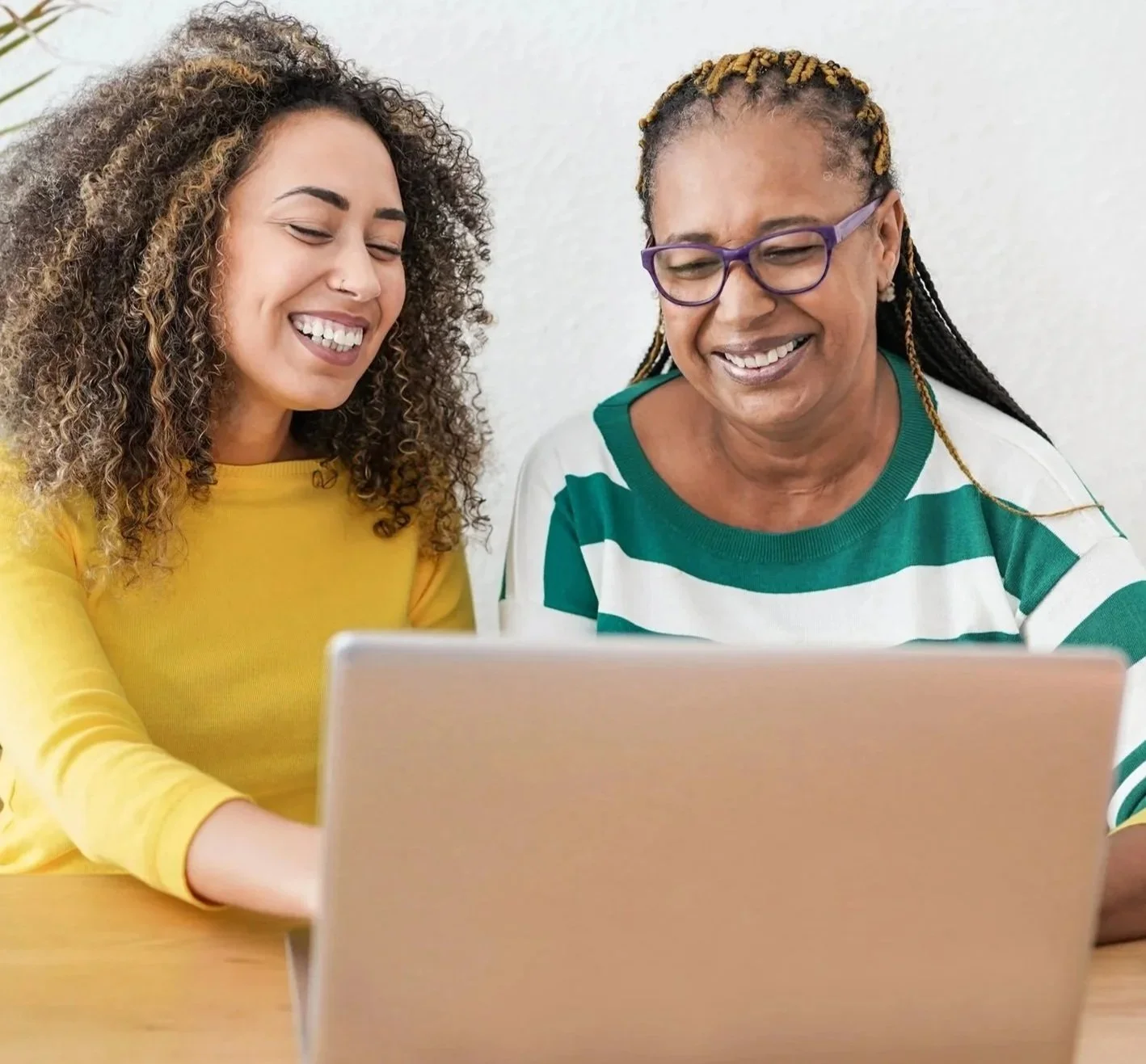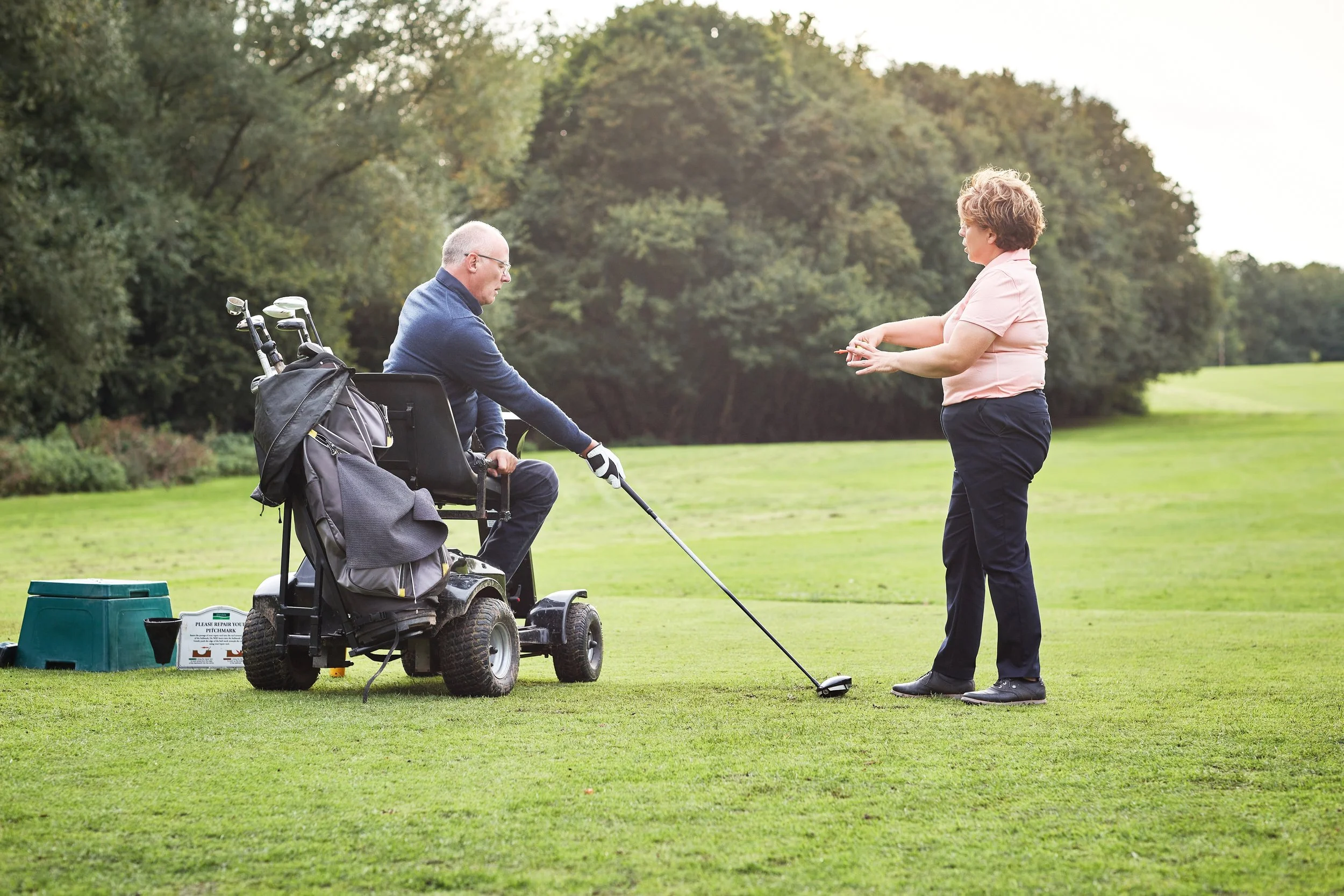
Communities thrive with inclusion. Interability communities are shared spaces where people with and without disabilities are welcome and supported. When communities focus on removing barriers and making spaces where everyone is included, the results are powerful. Stronger social connections, greater innovation, better well-being, and more resilient communities are just a few of the benefits.
Disability inclusion is not just about allowing access to people with disabilities. Instead, the focus is put on creating a community where everyone has the same opportunities. This is especially important since, according to the CDC, one in four Americans live with disabilities. However, the benefits are not just for those with disabilities. Interability communities mean creating communities that work better for all members.
A major benefit of interability communities is that they are designed for everyone. Have you ever walked through an automatic door, used a bendy straw, or listened to an audiobook? If so, you have benefited from disability-focused innovations. These everyday tools and features were created to help people with disabilities in daily living. However, in most cases, these designs and tools benefit people of all abilities. A ramp that helps a wheelchair user enter a building also helps an older adult or a parent with a stroller. Closed captioning assists people who are deaf or hard of hearing while also helping someone learning a new language. This is referred to as universal design because it makes an environment more accessible for everyone.
Just like other inclusive communities, interability communities promote mental health by reducing loneliness and encouraging social interaction between individuals. Since these communities are designed for everyone, they also encourage accessible physical activities which can enhance fitness and mobility. All of this helps improve self-esteem and health outcomes for all.
Another benefit of interability communities is challenging stereotypes. Many misconceptions and stereotypes stem from a lack of interaction with people of different groups. In terms of disability, this can often result in internalized ableism and fear of growing older or developing health conditions. Interability communities create opportunities for relationships to form between people of different abilities. This challenges those misconceptions. Community members see individuals for their talents, interests, and skills rather than what makes them different. They also provide hope that one can live a full, meaningful life regardless of health status or age. This makes it easier for individuals to ask for assistance or get care as their needs change.
Interability communities can benefit the economy as well. When communities welcome people of all abilities, they gain access to a larger and more diverse workforce. Workforces with varied skills, backgrounds, and experiences drive more creativity and innovation. Also, organizations focused on inclusivity often attract more business, as everyone can be involved. This leads to more people supporting local businesses and strengthens economic growth overall.
Communities will always face challenges like natural disasters or public health crises. Those focused on inclusion are often more equipped to respond to these challenges due to stronger trust and collaboration. Inclusive communities have more diverse perspectives to come up with new solutions. They also have a larger network of connections, which means more vulnerable individuals of all abilities, including children and older adults, are less likely to be overlooked. Because of all of this, these communities often respond better to challenges and recover more quickly.
JABA Community Centers and JRECs work to establish these interability communities every day. They do this by bringing together adults over 60 and adults with disabilities for activities for people of all ability levels. Emma Cajigas, Louisa Respite and Enrichment Manager, is passionate about creating these connections. Cajigas believes, “Building connections between our JREC and community center members is so important because it gives everyone an opportunity to feel included, valued, and connected to their community. When we collaborate for events and activities, we create opportunities for friendships and understanding that may not happen otherwise. When we all come together, everyone has something to contribute, whether it's through an activity, conversation, or shared experience. These connections help break down stigmas and assumptions by giving people the opportunity to see beyond ability level, recognize what they have in common, and build genuine relationships.”
Volunteering is another great way to build these interability communities. When people of all abilities volunteer together, they work towards a shared goal. This provides many opportunities for connection and support. Volunteers are empowered to share their unique skills and abilities. This breaks down barriers, challenges stereotypes, and builds connection. All of which are at the heart of interability communities.
Interability communities are built on the belief that every person has value and dignity. Rather than asking how the individual can adapt to the environment, these communities ask how systems can be changed to work for everyone. When everyone has a place at the table, communities become more innovative, resilient, and compassionate. In general, interability communities remind us that our differences are what make our communities stronger.